AFFAIR RECOVERY & COUPLES THERAPY IN YORKSHIRE
You've just found out. What now?
An affair ends the old relationship. There is no putting it back the way it was — and you shouldn't try. The real question is whether this crisis becomes the end, or the beginning of something more honest, connected and alive.
I'm Shan Merchant, a UKCP-accredited couples therapist specialising in affair recovery. I work with couples in the painful weeks, months and year that follow infidelity.

As featured on the BBC, and in The Guardian, Stylist and Vogue — Shan Merchant is a UKCP-accredited couples therapist offering specialist affair recovery support online.
Working with me — the practical details
- £195 per 90-minute couples session
- In person in Otley and Harrogate, or online on Zoom — days and evenings (full details in the FAQs below). Coming from Leeds? See couples therapy in Leeds.
In your first session, we slow everything down. I'll hear from both of you about where things stand, we'll agree what needs to happen immediately to keep everyone steady, and you'll leave with a clear sense of how I work and what the next steps look like.
Most couples start with weekly sessions and move to fortnightly as things stabilise — we agree the rhythm together, based on what you need, not a fixed package.
Couples who've been where you are
I work with couples after affairs every single week — 51 have come to me so far this year.
"We contacted Shan when we were on the brink of separation after infidelity… Our marriage is now stronger than ever."
"We came to couples therapy with Shan to work through an affair… we're at the stage now where we both feel hopeful for the future."
"Our relationship is now better than before. We should have come years ago."
"My wife and I decided to see Shan after I was unfaithful. We needed help to navigate this crisis in our marriage of 30+ years. Shan has been amazing at helping us confront and discuss difficult issues in a completely non-judgemental way — I've become more open and less resistant to talking about my infidelity."
Shared with permission. Names kept private. Read more testimonials
Every one of those couples started exactly where you are now.
What discovering an affair actually feels like
Whatever brought you here today, you are almost certainly running on no sleep, broken concentration and the kind of distress that other people can't quite see. This is what most couples are dealing with in the first weeks after discovery.

Sleep, appetite and concentration have collapsed

You replay the discovery moment on a loop

You swing between rage, grief and numbness within an hour

You can't stop asking for details — then wish you hadn't

The unfaithful partner feels paralysed by guilt or defensive

Trust feels not just damaged but unimaginable

You're hiding it from family, friends, even the children

You're terrified of making the wrong decision under pressure

You don't know whether you want to stay or leave — and that scares you
None of this means you are doing recovery wrong. It means you are in the acute stage of a relational trauma, and you need something other than willpower to get through it.
Why trying to fix this on your own usually makes it worse
Most couples try to recover from an affair in the same conversation that revealed it. The betrayed partner needs answers. The unfaithful partner is overwhelmed by guilt or defensiveness. Within minutes, the conversation collapses into accusation, withdrawal or another fight — and a little more trust is lost.
Recovery doesn't fail because couples don't care enough. It fails because the conversations needed after infidelity cannot safely happen without structure.

A structured approach to surviving infidelity
My work uses Imago Relationship Therapy — a structured dialogue process developed specifically for couples in crisis. It slows conversations down, restores emotional safety, and makes it possible to talk about what happened without retraumatising each other.
1. Stabilise the crisis
The first weeks are about containment, not analysis. We establish boundaries that stop the bleeding — full transparency from the unfaithful partner, an end to all contact with the affair partner, and a structure for hard conversations that keeps both of you intact.
2. Understand what happened
Once the acute phase has settled, we look honestly at how the affair happened. Not to assign blame, but to surface the unmet needs, drifts and silences that left the relationship vulnerable. The unfaithful partner takes full responsibility. Both partners come to understand the relationship as it really was.
3. Rebuild — or part well
Recovery isn't a guarantee of staying together. It's a guarantee of clarity. Most couples I work with rebuild a relationship that is more honest and more alive than the one the affair ended. Some, with the same care, choose to separate. Either outcome is the work succeeding.
What affair recovery therapy actually works on
Containing the crisis so daily life can keep functioning
Stopping the harmful patterns that often follow discovery
Helping the unfaithful partner give honest, complete answers
Helping the betrayed partner ask without spiralling
Understanding how the affair happened — without excusing it
Rebuilding emotional and physical safety step by step
Repairing the bond through structured Imago dialogue
Deciding, in time and with clarity, whether to stay or part
Building something stronger and more honest than before
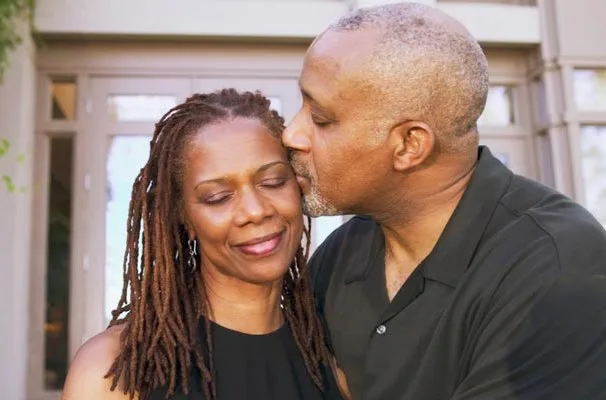
Couples do come back from this
The story we hear about affairs is usually the ending — separation, divorce, ruined families. The story we don't hear is the one I see most weeks: two people sitting together, often years on from discovery, in a relationship that is more honest, more intimate and more chosen than the one the affair brought down.
That outcome isn't accidental, and it doesn't happen by waiting for time to heal it. It happens by doing the work, with structure and support, while the wound is still raw.
If you're asking can a relationship survive infidelity?, my guide explores what recovery can involve and what helps couples decide what comes next.
You don't have to decide everything today
You only have to take the next step. A free 15-minute call is a conversation about where you are, what you're carrying, and whether this approach feels right for you both.
BOOK A FREE 15-MINUTE CALLAffair recovery — frequently asked questions
That depends what success means to you — and it's worth asking any therapist who quotes you a percentage how they measured it. I don't track a rate, because staying together isn't always the right outcome, and I don't decide that for you.
For many couples, success means doing the work: repairing the hurt and rebuilding a relationship that feels more honest and connected than the one the affair ended. For others, it's getting the clarity to make a decision they've been stuck on for months. And for some, it's separating with respect — parting without hating each other, which matters even more when there are children.
Whatever you're hoping for, my job is to help you both understand what happened and reach the outcome that's right for you.
Yes — many couples rebuild after an affair, and some end up with a relationship more honest and connected than the one they had before. Recovery starts with the secrecy ending completely and the partner who had the affair taking full responsibility for that choice. From there, trust is rebuilt through honest, consistent actions over time — not through pretending it never happened. Couples therapy gives you a structured way to do that work, at a pace that respects that one of you may have only just found out.
As a guide, most couples take around two years to recover from an affair — but you won't be in couples therapy for all of that time. Therapy is most intensive at the start, while we manage the immediate crisis. After that, sessions usually space out, and much of the rebuilding happens in what you do together between sessions and after therapy ends.
There's no fixed programme and no set number of sessions to sign up for — we agree how often to meet and review what you need as we go. Bear in mind you may be recovering at different speeds, particularly if one of you has only just discovered the affair.
In couples therapy, I'll help you talk about the affair, the hurt it has caused and what happens next. Structured Imago dialogue gives each of you space to speak and be heard, rather than every conversation becoming another argument or ending in silence.
We look at the impact on both of you and the patterns in your relationship without using those patterns to excuse the affair. Responsibility for the affair stays with the partner who chose it; rebuilding trust is work you both choose. You can also use therapy to explore whether you want to stay together.
Start by getting support to help you through the immediate shock. You do not have to decide today whether to forgive, stay or leave. Choose someone you trust who can listen without pressuring you towards a decision, and consider a therapist who works with affair recovery. If you are struggling to sleep, eat or cope with everyday life, speak to your GP. There will be time to understand what happened and consider what comes next.
Yes. You can seek support even if your partner is not willing to attend couples therapy. Individual sessions can give you space to process the discovery, think about your boundaries and consider what you need next. They cannot do your partner's part in rebuilding trust, and you do not have to persuade your partner before getting help for yourself. We can discuss the most appropriate support on the free call.
No. You can begin couples therapy after an affair while one or both of you are unsure about staying together. We start with where you each are, what you need now and how to talk about what happened. Therapy is not a commitment to save the relationship at any cost, and I will not pressure you to stay or leave.
My role is to hear both of you, not to take one partner's side against the other. That does not mean treating responsibility for the affair as shared: the partner who chose it is responsible for that choice. We can explore what was happening in the relationship without blaming the betrayed partner or excusing the affair. Both of your experiences matter in deciding what happens next.
Yes. Couples therapy can help after an emotional affair, even if there was no sexual contact. Secrecy, romantic feelings or an intimate connection that crosses your relationship's agreed boundaries can cause a serious breach of trust.
The work is not about arguing over whether it was a 'real' affair. We look at what was hidden, the impact on each of you, what boundaries are needed now and whether you both want to work towards rebuilding trust.
Sessions are 90 minutes. In person, I see couples in Otley, West Yorkshire, Monday to Friday during the day, and in Harrogate on Saturday mornings. Online sessions run on Zoom during the day and in the evenings, Monday to Friday, so couples anywhere in the UK or internationally can meet me.
The free 15-minute call is a chance for me to hear both of your perspectives at a high level, answer your questions and explain how I work and how I can help. It is not a therapy session, and you do not need to tell the whole story or decide whether to stay together. We can also discuss practical details before you decide whether to book a paid session.
You don't have to know if your marriage will survive infidelity
You may be searching for signs your marriage will survive infidelity. Whether your partner is genuinely remorseful. Whether the questions will ever stop. Whether you'll feel safe with them again.
There isn't a checklist that can tell you how this ends. What matters is whether the secrecy has stopped, whether responsibility is being taken, and whether both of you are willing to face what happened rather than keep running from it.
You don't need to promise forgiveness. You don't need to decide to stay. And you don't need to keep having the same painful conversation without getting anywhere.
We can start with where you are, not where you think you should be.